Beep, Boop, and Billboard: The Glorious, Ridiculous Era When Your Phone Was a Jukebox
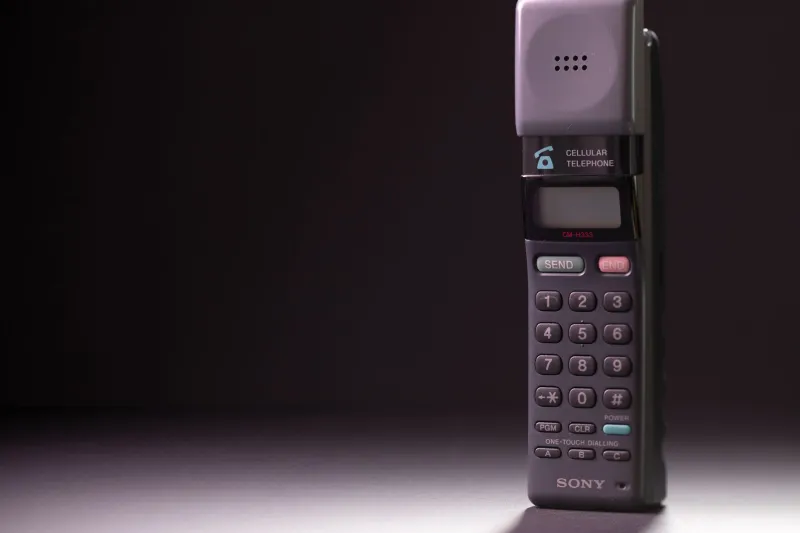
Somewhere around 2003, a Motorola Razr chirped out eight pixelated bars of "In Da Club" in a Applebee's in Ohio, and nobody at the table even flinched. That was just Tuesday. For a solid decade, the ringtone was the defining musical artifact of American public life — a micro-broadcast of your taste, your mood, and occasionally your sense of humor, fired off every time your mom called to ask if you were coming to dinner.
It sounds almost quaint now. But don't sleep on how genuinely wild that era was. The ringtone market in the United States peaked somewhere north of $600 million in annual revenue around 2007. That's not a typo. People were happily paying $1.99 — sometimes more — to download a 30-second MIDI approximation of a song they already owned on CD. And they loved it. They loved it so much.
From Monotone to Masterpiece (Sort Of)
The earliest ringtones were purely functional. A single-channel beep sequence that vaguely suggested a melody, if you squinted with your ears. But the technology moved fast. Polyphonic ringtones arrived in the early 2000s and suddenly your phone could play something resembling an actual chord. It wasn't exactly Carnegie Hall, but when those layered tones kicked out the opening riff of "Crazy in Love" from a flip phone in a high school hallway, it felt like magic.
Then came realtones — actual audio recordings, compressed down to something your handset could handle. At that point, the ringtone stopped being a novelty and became a full-on cultural statement. Carriers like Verizon and AT&T built entire storefronts around them. Companies like Jamster and Zingy ran TV commercials at all hours. You couldn't watch late-night television without some animated frog cheerfully urging you to text a five-digit shortcode and add $9.99 to your monthly bill.
And people did. By the millions.
The Status Symbol You Could Hear Coming
Here's the thing that's easy to forget: your ringtone was public in a way that your playlist never was. Streaming didn't exist yet. Your iPod was private. But your phone went off in class, at the movies, in the grocery store checkout line, and suddenly everyone within 20 feet knew exactly what you were into.
That made ringtone selection genuinely high-stakes for a certain generation of Americans. Teenagers agonized over it. Adults used it to signal sophistication — or irony. There was a whole micro-language to it. Picking a novelty ringtone like the "Hamster Dance" or that infamous frog said one thing. Rocking the opening bars of "Lose Yourself" said something else entirely. Going with a jazz standard or a classical piece? That was a whole personality.
Some artists saw their ringtone sales rival their actual single sales. Crazy Frog — a digitally rendered, disturbingly enthusiastic animated amphibian — had a ringtone so popular it spawned a full single that hit number one in the UK. That is a real sentence about a real thing that happened in our lifetimes.
The Day the Music (Briefly) Died
And then, almost overnight, it was gone.
The iPhone arrived in 2007. Android followed. And with smartphones came music streaming, notification settings, and the sudden ability to use any song you actually owned as your ringtone without paying extra for a compressed version of it. The dedicated ringtone market evaporated almost instantly. Jamster shut down. The shortcode commercials vanished. The polyphonic era closed without so much as a proper farewell tour.
For a while, ringtones just became whatever the default OS sound was. The Apple "Marimba" tone. That classic Android "Droid" notification. Functional, forgettable, universal. The age of personal sonic branding was over before most people even noticed it had been a thing.
The Hunters and the Haunted
Except — and this is where it gets fun — some people noticed. And they miss it.
Scatter across Reddit, scattered across niche Discord servers and retro tech forums, there's a quiet but enthusiastic community of millennials and older Gen Xers who are actively hunting down the ringtones of their youth. We're talking people tracking down MIDI files of early-2000s chart hits, digging through archived Verizon GetItNow pages on the Wayback Machine, and swapping Nokia composer sequences like trading cards.
Some of them are doing it for pure nostalgia — the same impulse that has folks picking up cassette tapes and CRT televisions. The sound of a polyphonic ringtone is a Proustian trigger for an entire generation. Hear those particular bleeps and bloops and you're instantly back in a 2004 multiplex lobby, waiting for Shrek 2 to start.
Others are approaching it more like archivists. The ringtone era produced thousands of unique musical arrangements — compressed, simplified, but often genuinely clever translations of pop songs into the constraints of early mobile hardware. These people argue, not unreasonably, that those arrangements deserve preservation the same way any folk adaptation of a popular song does.
There are even a handful of YouTube channels dedicated entirely to polyphonic ringtone compilations, and they rack up views that would make a lot of podcasters weep.
Why It Still Hits Different
Part of what makes ringtone nostalgia resonate so hard is that it captures a very specific moment in American culture — right at the hinge point between the analog past and the digital present. The technology was new enough to feel exciting, but primitive enough to force creativity. You couldn't just drop a high-fidelity audio file onto your phone. You had to work within limits. And within those limits, something genuinely charming emerged.
There's also something to be said for the sheer communal nature of it. Your ringtone was heard by other people. It was a shared experience in a way that your Spotify queue simply isn't. When someone's phone went off in a waiting room and half the room recognized the song, that was a moment of connection. Weird, accidental, slightly annoying — but real.
Go-Kat-Go has always been about the music that sneaks up on you, the sounds that burrow into your memory and refuse to leave. And honestly? Those eight tinny bars of "Hey Ya!" coming out of a Motorola in 2003 qualify. Don't let anyone tell you otherwise.
Spin It Forward
If you want to fall down this particular rabbit hole yourself, start with the Wayback Machine and search for archived carrier ringtone storefronts. Subreddits like r/nostalgia and r/lostmedia occasionally surface threads dedicated to specific ringtone hunts. And if you're lucky enough to still have an old Nokia or Motorola rattling around in a junk drawer, fire it up — there's a decent chance it still has something worth hearing on there.
The ringtone era lasted maybe a decade. It left behind no physical artifacts, no collector's market, no museum exhibits. Just memories, a few archived MP3s, and the occasional burst of recognition when someone's phone alarm goes off and you think — wait, is that a polyphonic version of "Complicated"?
Yeah. It probably is. And it still slaps.