Flip It and Find Out: The Hidden World of the B-Side and Why It Mattered More Than Anyone Admitted
There's a particular kind of thrill that older collectors understand and younger listeners are only just starting to discover. You've got the single in your hand — the one you bought because the radio wouldn't stop playing it — and then, almost as an afterthought, you flip it over. And what's waiting on the other side stops you cold. Not because it sounds polished or radio-ready, but because it sounds real. Unguarded. Like the artist forgot for a moment that anyone was supposed to be listening.
That's the B-side. And for decades, it was one of the best-kept secrets in American music.
How the Flip Side Got Started (and Why Nobody Took It Seriously)
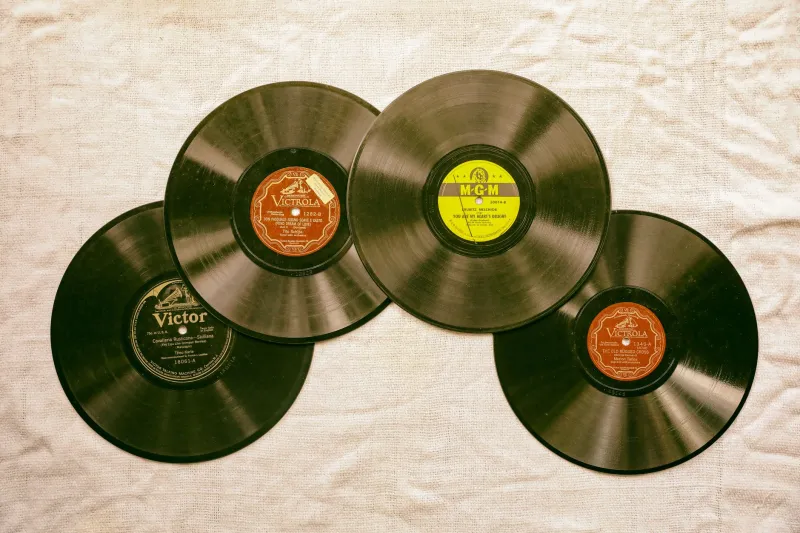
Back when the 45 rpm single ruled the record shops and radio booths of mid-century America, the format was simple: you had two sides of a seven-inch disc. Side A was the moneymaker — the track the label believed in, the one that got the promotional push, the one the DJs were told to play. Side B? That was the obligation. A contractual necessity. Something to fill the physical space so the record didn't feel like a rip-off.
Labels treated it like a footnote. Artists sometimes did too, at least in the early days. Plenty of B-sides from the 1950s and early 1960s were exactly what you'd expect: album cuts that didn't quite make the grade, alternate versions of the A-side, or quick studio sessions knocked out in an afternoon just to have something to press.
But here's where it gets interesting. Not everyone played by those rules.
The Artists Who Figured Out the Loophole
Somewhere along the way, a handful of musicians realized that the B-side came with something the A-side almost never did: breathing room. The label wasn't hovering over it. Radio programmers weren't scrutinizing it. It wasn't expected to chart, which meant it wasn't expected to sound like everything else that was charting.
That freedom turned out to be wildly valuable.
Think about the tracks that ended up on the flip side of some of the biggest singles in rock, soul, and pop history. Some of them were experiments — new sounds the artist was testing before committing to a full album direction. Some were deeply personal songs that didn't fit the commercial mold. Some were flat-out weird, in the best possible way. And a handful of them quietly became more beloved than the hit they were paired with.
The Beatles practically made an art form out of this. "Revolution" backed "Hey Jude." Both were massive, but the point is that the band wasn't coasting on the B-side — they were competing with themselves. That kind of creative commitment to both sides of a release was relatively rare, but when it happened, listeners noticed.
Soul and R&B artists also used the B-side as a testing ground in ways that shaped the genre's evolution. Tracks that were too slow, too raw, or too experimental for Top 40 radio found a home on the flip, where they quietly built followings among the serious listeners — the ones who actually bought records instead of just waiting to hear them on the radio.
The Collector's Obsession
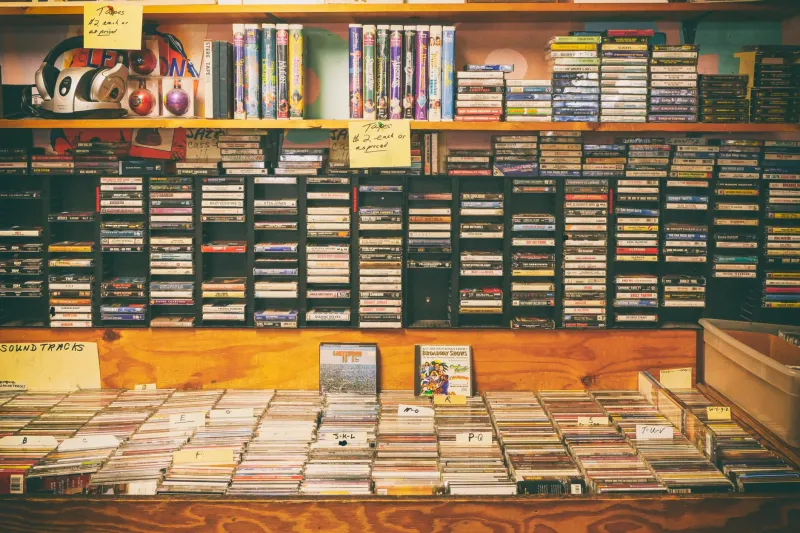
If you've ever spent a Saturday afternoon flipping through crates at a record fair, you already know what B-side culture looks like in practice. Collectors hunt these things with real dedication. A single can be worth relatively little based on its A-side alone, but the moment you identify a sought-after B-side — a regional pressing, an alternate mix, a track that never made it to any album — the value shifts dramatically.
Part of what drives that obsession is scarcity. B-sides often didn't make it onto greatest hits compilations. They weren't reissued with the same frequency as album tracks. For years, the only way to own certain recordings was to own the original single, which meant digging through used bins and estate sales and the occasional lucky score at a flea market somewhere off the interstate.
That scarcity created community. Collectors swapped information, traded records, and built entire areas of expertise around specific artists' B-side catalogs. Knowing the flip side of an obscure regional pressing became a mark of genuine fandom — proof that your relationship with an artist went deeper than whatever was getting airplay.
When the B-Side Became the Bigger Hit
One of the great ironies of the format is how often the labels got it backwards. There's a long, entertaining history of B-sides that outperformed their A-sides once radio programmers or listeners discovered them and started flipping the record on their own.
This happened enough times that it became a recognized phenomenon in the industry. A single would be pressed and shipped, DJs would give the A-side a spin, and then someone — a late-night radio host, a sharp-eared listener, a store clerk with good taste — would flip it and say, "Wait. This is the one." The label would scramble to repromote, sometimes officially flipping the designation, sometimes just watching helplessly as the market made its own decision.
It's a reminder that the people who decided what went on which side of a record weren't infallible. Sometimes they were just wrong. And the B-side was there to prove it.
Streaming and the Second Chance
For a while, the digital era looked like it might be the end of B-side culture entirely. When everything moves to streaming and download platforms, the physical distinction between Side A and Side B evaporates. There's no flip. There's just a catalog, and algorithms decide what rises to the top.
But something unexpected happened. Platforms like Spotify and Apple Music started including deep catalog tracks — including long-lost B-sides — in their libraries as labels digitized their back catalogs. Suddenly, songs that had been inaccessible for decades without owning the original pressing were available to anyone with a streaming subscription.
And listeners found them. Not through algorithmic recommendation, necessarily, but through the same word-of-mouth and community energy that drove B-side discovery in the first place — just playing out on Reddit threads, YouTube comment sections, and fan Discord servers instead of record shops and swap meets.
Gen Z listeners discovering a deep B-side cut from a Motown artist or a forgotten punk single from 1979 are having the same experience their parents and grandparents had, just through a different delivery mechanism. The thrill of finding something that feels hidden, something that wasn't designed for mass consumption — that doesn't go away just because the format changed.
Why It Still Matters
The B-side rebellion, if you want to call it that, was never really organized. It was just artists taking whatever space they were given and filling it with something honest. Sometimes that honesty was rough around the edges. Sometimes it was ahead of its time. Sometimes it was just a song that didn't fit anywhere else, looking for a home.
For collectors, those tracks represent the most direct line to an artist's actual creative life — the work that existed outside of commercial pressure and label expectations. For casual listeners coming to them fresh, they're a reminder that the official story of any artist's career is always incomplete.
The best music has always lived in the margins. The B-side just made the margins physical, something you could hold in your hands and flip over on a Sunday afternoon to see what was waiting on the other side.
That's still worth doing. Maybe now more than ever.