Groove Is in the Algorithm: How Classic Funk and Soul Legends Are Owning the Streaming Era
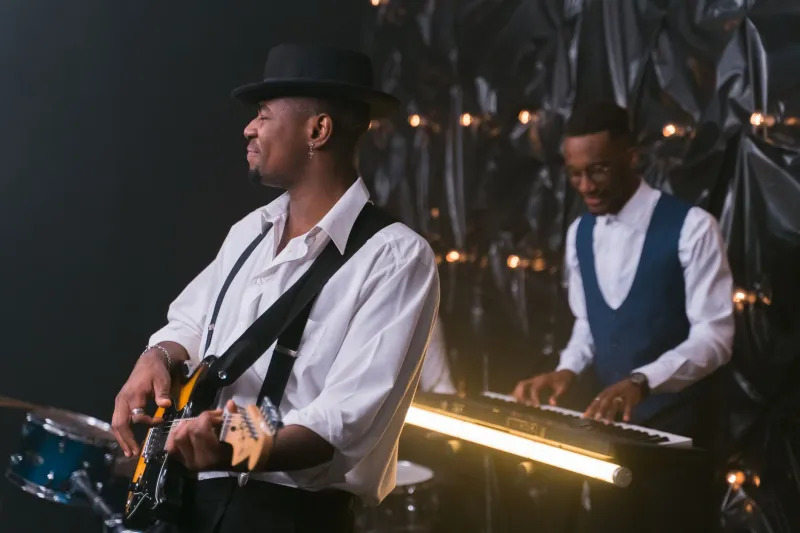
There's a moment that happens at outdoor music festivals all summer long across the United States. A band that peaked on the charts roughly forty years ago walks out onto the stage. Half the crowd is old enough to have worn out the original vinyl. The other half discovered the music through a Spotify playlist or a TikTok clip. And then the bass drops, the horns hit, and every single person in that field loses their mind together.
That's the power of classic funk and soul in 2024. It doesn't care how old you are. It doesn't care what your algorithm usually feeds you. It just works.
The Numbers Don't Lie
Let's talk streaming, because the data is genuinely jaw-dropping for anyone who assumed these artists had quietly retired to the oldies circuit. Earth, Wind & Fire regularly pulls in over six million monthly listeners on Spotify alone — figures that put them comfortably ahead of plenty of acts half their age. Chaka Khan, Parliament-Funkadelic, Kool & the Gang, the Ohio Players — all of them are sitting on listener counts that would have seemed impossible to predict back when CDs were still the dominant format.
The phenomenon isn't just passive listening, either. These tracks are being added to user-generated playlists at a staggering rate. "September" by Earth, Wind & Fire has become something close to a cultural institution, popping up at weddings, graduation parties, sports arenas, and yes, the occasional viral video where someone's golden retriever seems to be dancing along. The song is over four decades old and it has never once stopped moving.
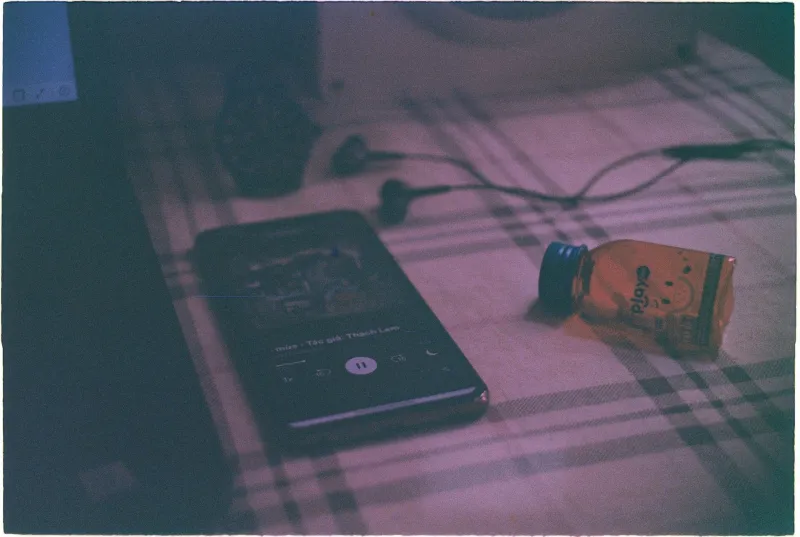
Streaming platforms have quietly become one of the best things that ever happened to legacy funk and soul artists. There are no gatekeepers, no radio program directors deciding whether a track from 1977 deserves airtime. The playlist is democratic. If the groove is good, it finds its people.
Why This Music Hits Different Now
Spend five minutes talking to a twenty-three-year-old who just discovered Bootsy Collins or Teena Marie, and you'll hear a version of the same thing over and over: this music actually makes me feel something.
That's not a knock on contemporary production — it's a testament to what made classic funk and soul so extraordinary in the first place. These records were built on live instrumentation, on musicians locked into a room together chasing the perfect pocket. The bass is warm and physical. The horns have breath in them. The vocals are acrobatic in ways that feel almost superhuman. There's a humanity baked into the recordings that digital production, for all its precision, can sometimes sand away.
For a generation that grew up with hyper-polished, algorithmically optimized pop, stumbling onto a James Brown deep cut or a late-period Isley Brothers record can feel like finding a secret door. The music is familiar enough — it's been sampled so extensively in hip-hop that younger listeners often recognize the DNA before they've ever heard the source material — but it also sounds unlike anything being made today. That combination of familiarity and discovery is catnip.
The Festival Circuit Is Proof
If you want the most visceral evidence that classic funk and soul is thriving, just look at the summer festival lineups. Promoters across the country have figured out that booking a legendary act from the '70s or '80s is not a nostalgia play — it's a genuine draw across age groups.
Funkedelic live shows have been drawing multigenerational crowds that look more like block parties than concerts. Maze featuring Frankie Beverly, a band with a following so devoted it borders on religious, consistently sells out arenas in cities that have never stopped loving them. And the Dazz Band, the Gap Band, Con Funk Shun — these acts are touring actively and finding that the demand hasn't dried up; in many markets, it's actually grown.
Talk to anyone who has caught one of these shows recently and they'll tell you the same thing: the energy in the room is unlike almost anything else in live music right now. There's a joy to it that feels almost defiant. The music was built for communal celebration, and communal celebration is exactly what people are hungry for.
Sampling Bridged the Gap
It would be dishonest to tell this story without acknowledging the massive role that hip-hop played in keeping these artists in the cultural conversation. From the moment producers started lifting loops from funk and soul records in the late '80s, a chain of discovery was set in motion that is still running today.
A teenager who grew up listening to Dr. Dre or Kendrick Lamar has almost certainly been hearing interpolated funk for their entire life without necessarily knowing the origin. When they finally trace a sample back to its source — when they realize that the backbone of a track they've known for years is actually Leon Haywood or Sly Stone — the reaction is often electric. The original becomes new again.
Streaming platforms have made that journey of discovery instantaneous. Spotify's "Fans Also Like" sidebar and Apple Music's radio features are constantly nudging listeners toward the source material. What once required a knowledgeable record store clerk or a crate-digging older sibling now happens automatically, in seconds.
The Legends Are Showing Up
Perhaps the most heartening part of this whole story is that many of the artists themselves are still very much in the game. Charlie Wilson, who spent decades as the voice of the Gap Band, has built a second act as a solo artist that has introduced him to an entirely new generation. His collaborations with contemporary artists and his relentless touring schedule have made him, improbably, one of the most vital R&B performers working today.
Chaka Khan continues to perform with a ferocity that embarrasses younger performers. The Ohio Players are still out there delivering the goods. And when these veterans step onto a stage in 2024, they're not walking into a museum exhibit — they're walking into a room full of people who genuinely need what they have to offer.
The Groove Doesn't Have an Expiration Date
Here at Go-Kat-Go, we've always believed that truly great music doesn't age — it just waits for the right moment to find new ears. Classic funk and soul is living proof of that idea on the grandest possible scale.
The bass lines that made people move in 1975 are making people move in 2024 for exactly the same reason: they're irresistible. The horns, the harmonies, the sheer physical joy encoded in every bar — none of that has a sell-by date. What streaming has done is simply remove the barriers between that music and the people who need it.
So the next time you're scrolling through a playlist and something with a deep, rolling groove catches your ear — something that makes you sit up a little straighter and tap your foot without meaning to — don't skip it. Follow it down the rabbit hole. There's a whole world of music waiting on the other side, and it is absolutely worth your time.
The classics never stopped spinning. The rest of the world is just now catching up.