Wrong on Paper, Perfect on Record: The Unlikely Duets That Somehow Changed Everything
There's a certain kind of magic that happens when two people who probably shouldn't be in the same room end up making something that outlasts everything else they ever recorded separately. You know the feeling — you're flipping through a playlist or digging through a crate, and a track comes on that makes you stop cold. Two voices. Two worlds. One moment that somehow holds together like it was always meant to exist.
These aren't the safe collaborations. We're not talking about two artists from the same label, the same genre, the same zip code of musical taste. We're talking about the pairings that made A&R guys nervous, that had radio programmers scratching their heads, and that audiences — bless them — absolutely devoured anyway.
The Chemistry Nobody Could Predict
Here's the thing about unexpected duets: the very friction that makes them seem like a bad idea is often exactly what gives them their charge. When two artists come from radically different traditions, they don't just blend — they push against each other. And that tension? That's where the interesting stuff lives.
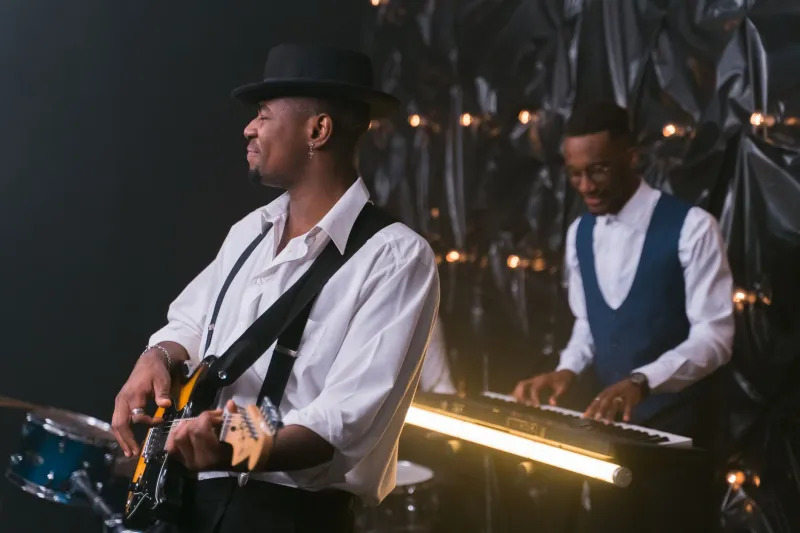
Think about what happens when a voice trained in gospel phrasing meets a vocalist who came up through the garage rock circuit. Neither one is going to sing the way they normally would. They're listening harder, adjusting in real time, finding a middle ground that neither of them would have landed on alone. The result is something genuinely new — a sound that doesn't quite belong to either tradition but borrows the best of both.
Musicians who've worked on session recordings from the golden era of American pop will tell you the same thing: the takes that ended up on the final cut were almost never the ones where both artists played it safe. It was the moments of creative discomfort, the places where somebody had to stretch, that made the tape worth keeping.
When Country Met Funk and Nobody Flinched
The 1970s were particularly fertile ground for genre-crossing collisions. American radio was a genuinely wild place — you could hear a Tammy Wynette record followed by a James Brown cut followed by a Carole King ballad, and nobody thought that was strange. The audience was trained to be curious, and the artists were encouraged to experiment.
That environment produced some genuinely jaw-dropping pairings. Country artists who'd spent their careers playing honky-tonks in Tennessee found themselves in studios with R&B arrangers from Muscle Shoals. Soul singers who'd never set foot outside of Detroit were suddenly recording over steel guitar licks. The cultural walls that seemed so solid on the surface turned out to be surprisingly porous once someone with a good ear decided to push through.
What held those records together wasn't just the novelty. It was the sincerity. When artists from different backgrounds collaborate with genuine respect for what the other person brings, listeners can hear it. There's a warmth to those recordings that straight-genre work sometimes lacks — a sense that the people making the music are actually surprised and delighted by what's coming out of the speakers.
The Ones That Aged Like Fine Vinyl
Not every unexpected pairing stood the test of time, of course. Some collaborations that felt groundbreaking in the moment now sound like exactly what they were — a record label's attempt to generate buzz by throwing two famous names at a microphone and hoping for the best. You can usually tell the difference pretty quickly. The manufactured ones feel like a publicity stunt. The real ones feel like a conversation.
The duets that have genuinely aged well share a few qualities. First, both artists brought something the other one actually needed. Second, neither one was trying to out-sing or out-perform the other — there's a generosity to the great duets, a willingness to leave space. And third, the song itself was strong enough to carry the weight of two distinct personalities without collapsing under the pressure.
Take the cross-generational pairings that started becoming more common in the late 1980s and into the 1990s, when producers figured out that pairing a classic voice with a contemporary artist could introduce both to audiences who'd never heard of the other. Some of those records felt cynical. Others — the ones where the older artist genuinely influenced the younger one's performance, or where the younger artist brought an energy that reinvigorated someone who'd been coasting — those records still hold up in a way that surprises people who encounter them fresh.
What the Audience Always Knew
Here's what's funny about the duets that nobody expected to work: audiences usually figured it out before the critics did. Radio call-in lines would light up. Record stores — back when record stores were where you found out what was happening — would sell through their stock before the label even had time to print more copies.
There's a lesson in that. The people who actually listen to music for pleasure, who aren't worried about genre categories or demographic targeting, tend to respond to authenticity and chemistry in a pretty direct way. They don't need the pairing to make sense on paper. They just need it to make sense in their ears.
That's as true today as it was in 1965 or 1978 or 1993. The unexpected collaboration that catches fire — the one that gets passed around, that ends up on every mixtape and every playlist — is almost always the one where something genuinely unpredictable happened in the room when the tape was rolling.
Why We Keep Coming Back
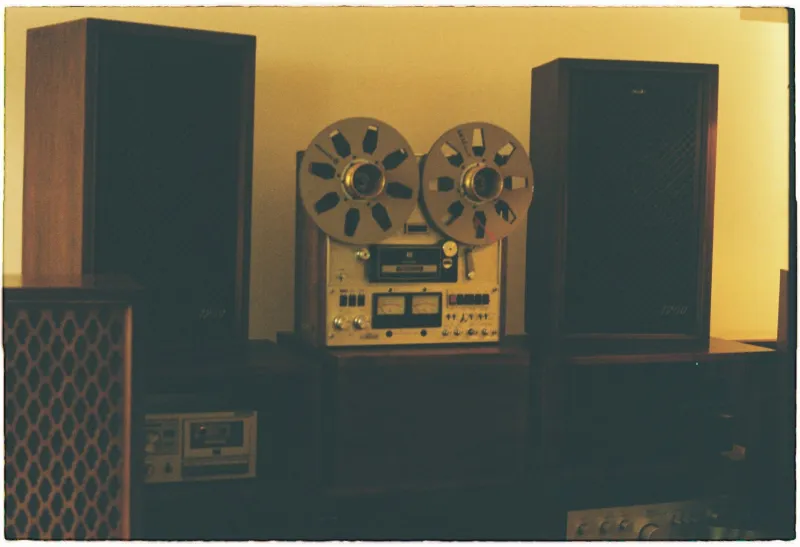
For collectors and classic music fans, there's a particular joy in hunting down these records. They're often hiding in unexpected places — a B-side, a compilation nobody remembers, a live recording that only circulated as a bootleg for years before someone finally gave it a proper release. Part of what makes them special is that they feel like a discovery, even if millions of people heard them at the time.
The best of these collaborations remind us why music is such a genuinely communal art form. It takes two people agreeing to be vulnerable together, to try something neither of them has tried before, to trust that the other person is going to meet them in the middle. When it works — when the needle drops and that unlikely combination of voices fills the room — there's really nothing else quite like it.
So the next time you're flipping through the bins and you spot a record with two names on the cover that make you tilt your head and think wait, how did that happen — pick it up. Put it on. Give it a chance to surprise you.
The ones that shouldn't have worked are often the ones that work best of all.