They Finally Played the One You Always Wanted: How Classic Rockers Are Rediscovering Their Own Catalogs
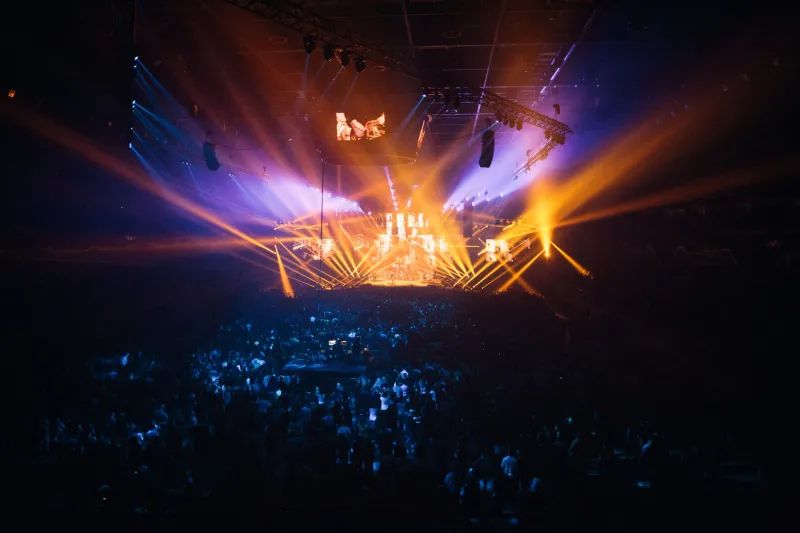
For decades, going to see a classic rock legend in concert meant a very specific kind of bargain. You'd buy your ticket, find your seat, and wait patiently through the familiar opening notes of songs you could sing in your sleep. The hits would roll out like clockwork. The crowd would roar on cue. And somewhere deep in the back of your mind, you'd wonder — just for a second — whether they'd ever play that song. The album track you wore out on repeat in 1977. The B-side that felt like it was written specifically for you. The deep cut that never got a radio push but somehow became the most important three minutes of your adolescence.
Most of the time, they didn't play it. And you went home happy enough, because hey — you saw the legend. But happy enough isn't the same as completely satisfied.
Something has changed.
The Setlist Rebellion Nobody Saw Coming
Over the past several years, a quiet but unmistakable shift has been happening on the concert circuit. Classic rock artists — the ones who've been touring the same greatest-hits package since the Reagan administration — are starting to blow up the formula. Setlists are getting weird in the best possible way. Album tracks that haven't been performed live in thirty years are suddenly showing up. Rarities that fans assumed were retired forever are getting dusted off and delivered with full-band conviction.
This isn't just a handful of isolated incidents. It's a genuine trend, and it's generating the kind of fan reaction that no amount of marketing can manufacture.
Talk to any serious classic rock devotee and they'll tell you about their moment. The night the band finally played track seven from the second album. The show where the singer mentioned, almost casually, that they hadn't performed this next song since 1983 — and then launched into it while five thousand people collectively lost their composure. These aren't just concert memories. They're experiences that get passed around fan communities like sacred texts.
What's Actually Driving the Change
So why now? A few things are converging at once.
First, there's the streaming effect. Platforms like Spotify and Apple Music have given fans unprecedented access to full discographies, not just the obvious hits. A kid who got curious about a classic band in 2018 didn't just hear the radio staples — they went deep. They heard the whole catalog. They fell in love with album cuts that never got airplay. When those fans started showing up to concerts, they weren't just hoping for the hits. They were hoping for the rest of it too.
Second, the artists themselves are getting older, and with age sometimes comes a certain freedom from commercial pressure. When you've already sold out arenas for four decades, you stop needing to play it safe. Some of these musicians are finally performing for the love of the music rather than the demands of radio programmers and label executives who've been out of the picture for years anyway.
Third — and this one might be the most interesting — social media has completely changed the reward structure around setlists. Fans document every song in real time. Setlist.fm has become required reading for serious concertgoers. When an artist breaks out a genuine rarity, the reaction spreads instantly. It becomes an event. Playing a deep cut now generates more online buzz than playing the obvious hit that everyone's already filmed seventeen times.
The Fans Who've Been Waiting Longest
Spend any time in classic rock fan communities and you'll find people who've attended the same artist's tour multiple times specifically chasing the possibility of hearing something unexpected. These aren't casual listeners. These are people who own every pressing of every album, who can tell you exactly which concert recording features the best version of an obscure track, who have been holding out hope for decades.
For these fans, the deep-cut moment isn't just a pleasant surprise. It's a form of validation. It says that the artist remembers those songs too. That the full catalog matters. That the relationship between the band and its most devoted listeners goes deeper than the obvious commercial touchstones.
One longtime fan described attending a show where a beloved classic act played an entire side of a lesser-known mid-period album in sequence. "I'd been seeing them for twenty-five years," she said. "I cried. Not because it was sad — because it felt like they finally acknowledged that we knew their whole story, not just the chapter everyone else knows."
That's a powerful thing to give an audience.
The Artists Who Are Leading the Way
Without turning this into a full tour guide, it's worth noting that some artists have become genuinely celebrated for their willingness to flip the script. Certain classic acts now build anticipation partly around the question of what surprises might show up. Fan forums light up after every show with setlist comparisons, celebrating the nights when something truly unexpected happened.
Some artists have gone even further, designing entire tours around specific albums rather than the greatest-hits formula — performing a beloved record front to back before filling out the rest of the night with a more conventional set. These shows tend to sell out fast and generate word-of-mouth that money can't buy.
Why This Is Actually Good for the Music
Here's the thing about deep cuts: they often represent the most artistically ambitious moments in a classic artist's catalog. The hits got played because they were accessible and commercially viable. But the album tracks? Those were frequently where the real risks got taken. The weird time signatures. The extended instrumental passages. The lyrics that were too personal or too strange for radio.
When artists start performing those songs live, they're essentially saying: this work deserves to be heard in full. Not just the parts that were easy to sell, but all of it. That's a meaningful artistic statement, even if it's delivered between guitar solos and fog machines.
For fans who've carried those songs around for decades, hearing them performed live isn't just entertainment. It's a kind of completion.
Keep the Needle on the Full Record
At Go-Kat-Go, we've always believed that the classics deserve to be treated as complete works, not just hit factories. The album track that never got a push. The B-side that only the real ones know. The deep cut that's been living in your memory since the first time you put on headphones and really listened.
The fact that some of rock's greatest living artists are finally coming around to that same philosophy? That's worth celebrating. So the next time you're buying tickets to see a legend, pay attention to the setlists from the early shows. Because there's a real chance — maybe better than it's ever been — that this time, they'll finally play the one you've always wanted to hear.
And when they do, you'll know exactly why you never stopped showing up.